
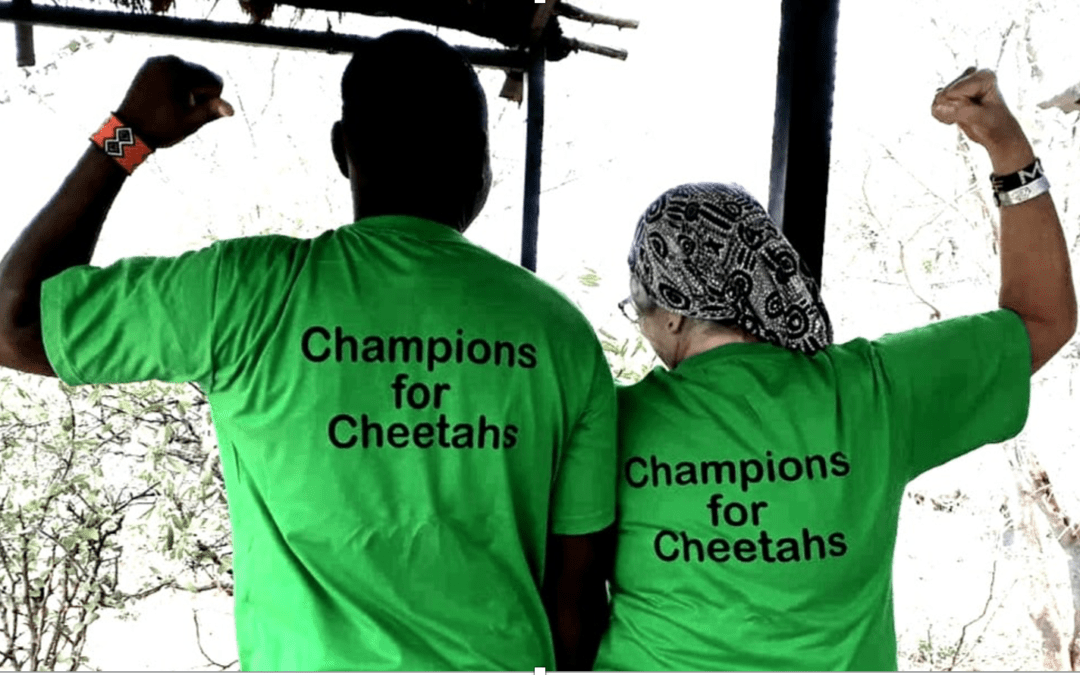
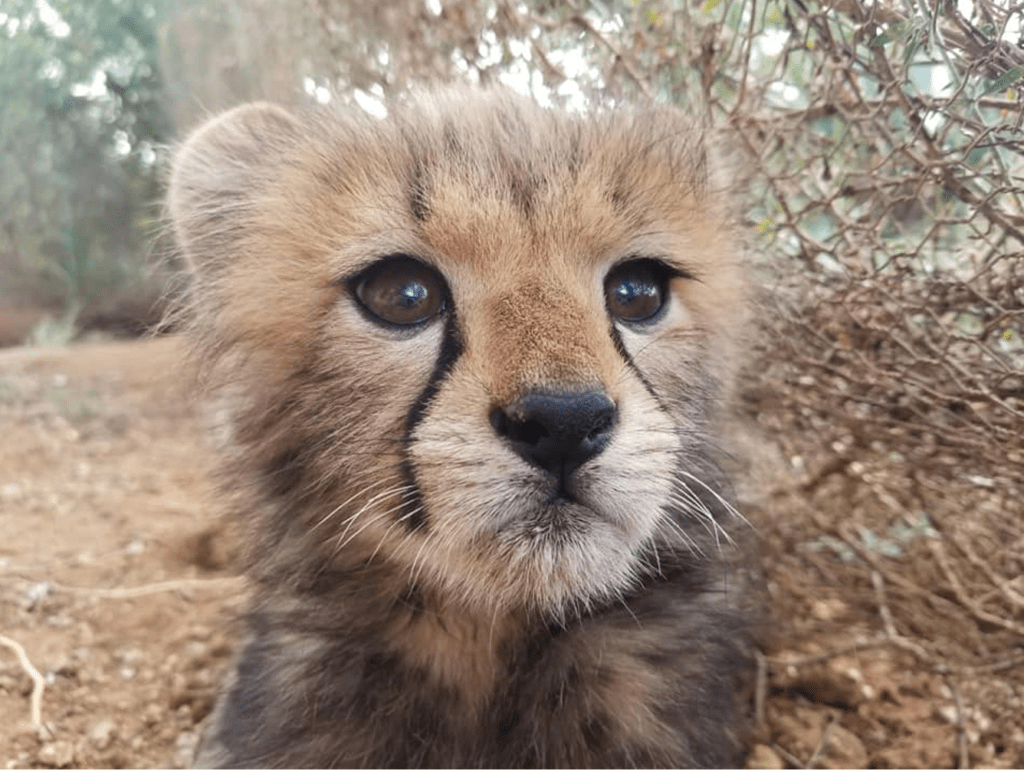
This month, I was lucky enough to interview Mary Wykstra from Action for Cheetahs Kenya. Mary is the founder and director of Action for Cheetahs Kenya which she launched in 2001 as a part of the Cheetah Conservation Fund. Since then the organisation has grown and now has a team of over 20 staff members dedicated to the conservation of Cheetahs in Kenya. I spoke with Mary to find out more about her life in Kenya and the amazing things Action for Cheetahs have achieved for conservation.
What inspired you to get into Conservation?
From the time I was a kid, I always really loved animals, wildlife, nature, camping and hiking and everything of that nature. I then went to University to attempt to be a Veterinarian and discovered the whole field of Zoology. I got my degree with a focus in Animal Behaviour and landed my first job in a zoo less than 6 months after graduating with a Zoology Undergraduate degree.
Can you tell me about Action for Cheetahs Kenya and your role there?
I’m the Director and Founder of the organisation and we were originally under the umbrella of another organisation called the Cheetah Conservation Fund, which is based in Namibia. While I was working in Zoos, I had a huge passion for supporting conservation in the wild, so I came to Africa to volunteer in Madagascar, Namibia and Kenya. From then on, I knew I loved Africa and African wildlife. While I was in Namibia at the Cheetah Conservation Fund, their director at the time suggested I could start correspondence with individuals in the Kenya wildlife service who were interested in having a Cheetah conservation project, so that’s how I ended up here. I definitely gave up a life that was comfortable, into a different culture, society and a whole different field from what I thought I would go into.
What was the reason you decided to dedicate your life to Cheetah conservation?
I worked with Cheetahs in my first zookeeping job and conducted fundraising to try to support their conservation in the wild. I also really loved Rhinos and Lemurs, which were the other two volunteer projects I was involved in. Unfortunately, I was very allergic to living in the rainforests of Madagascar, so that knocked out the ability to make Lemurs a career. The Rhino field had a lot of competition and many projects that had no openings, so I guess the Cheetah ‘called me’, as the right opportunities presented themselves.
What is the main threat to Cheetahs in Kenya and what is being done to prevent this?
The biggest threat to Cheetahs is land-use change and development. We have had more cheetah deaths to highway accidents than any other single problem in Kenya. If it was just a matter of human-wildlife conflict or disease, they would be easier to address. Development is all about the need for economic growth in a third world country, so you can’t just ‘say stop building roads’, but this means there is less space for the Cheetahs to move and find mates to breed. The second largest threat is wildlife trade. Cheetah cubs have been emerging as a huge threat to Cheetah survival, due to the amount that have been confiscated in the pet trade. In North Central Africa and UAE, people keep Cheetahs as pets, but they don’t breed well in captivity and don’t live very long, however it is considered prestigious to keep a Cheetah as a pet.
How are you able to fund the research and projects at Action for Cheetahs?
Mainly donations and grants. We are a fully donor-dependent organisation at this point. We are trying to make some changes to that through our scat detection dog programme. We are looking into ways the dogs or trainers can be used in other projects to have a source of income for our scat detection dogs. We are also looking at ways to work with communities and sell their handmade crafts, which would provide a sustainable source of income for us but also for the community themselves.
What is the importance of scat detection dogs in Cheetah conservation?
Most Cheetah monitoring methods are invasive, and as Cheetahs are in such low numbers it’s a risk to their population, as something can go wrong every time you immobilise an animal. By using scat samples, we can study everything about the cheetah without touching it. The dogs are trained to find Cheetah scat when they are taken to areas of recent Cheetah sightings. The scat then can tell us the diet, health and genetics of the cheetah which allows us to look at lineage and population to know how closely related individuals are. This information can also be used to identify where the cubs, confiscated from the wildlife trade originated from, so that we can target those specific areas with education, awareness or police enforcement.
What has been your favourite memory working with Cheetahs?
When we started working in Kenya, we were looking to see if it was feasible to reintroduce Cheetahs from other areas into areas where they were once in abundance. Usually, we were directed where to find a cheetah by someone who had seen a sighting, however, in our third year we had ventured into a new area. On this particular day, my research assistant and I were doing a game count and as we came around the corner to a beautiful water damn, sitting beside it were five Cheetahs. This was the first sighting that we stumbled across in a community area. We came back the next day and found that those five males were courting a female, and we actually saw the female breeding with the males.
How can the everyday person help support Action for Cheetahs Kenya?
You can help from your own backyard by supporting local institutions and zoos that support conservation. You can also participate in events that raise money, donate money directly or through your local zoo to organisations like ours that support these animals in the wild. In addition to that, if you know of anyone who is a part of wildlife trade, a big help is to educate them as to why it is a threat to the wild populations. You can also sign petitions to help stop wildlife trade – this is something that any individual can participate in to help. The biggest thing that can be done would be financial support and every little bit helps, whether it is $2 or $5, never think any amount is too little.
Thank you, Mary, for taking the time to chat with me and providing your valuable insight into the importance of Cheetah conservation. To find out more about the organisation, please visit their website at www.actionforcheetahs.org or sponsor a scat detection dog by visiting www.ack-cool-crafts.myshopify.com/collections/all
Rosie Healy ConsComm Researcher